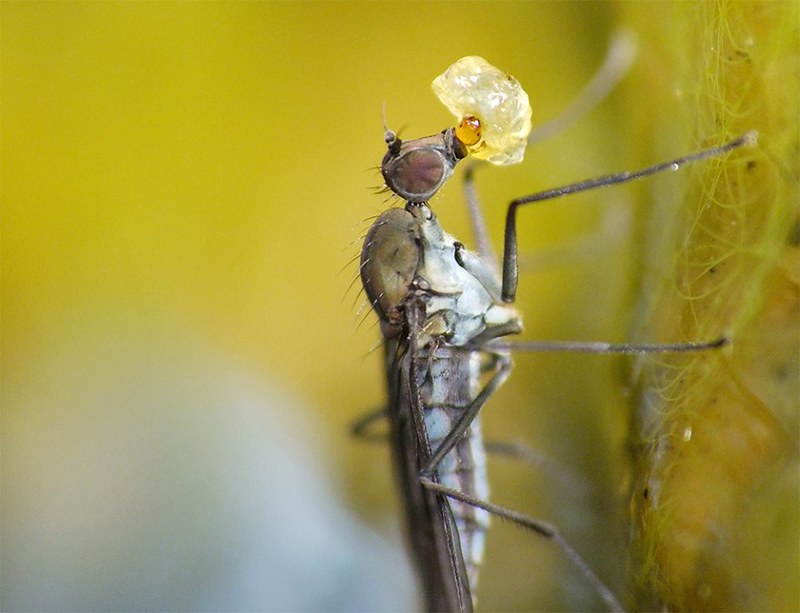
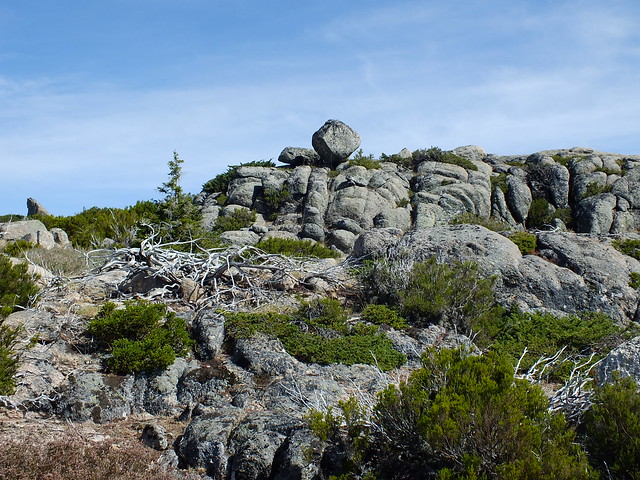
12.23.2013

Welcome Winter

No dia 22 de Dezembro, participei numa armadilhagem para borboletas nocturnas na Serra da Lousã. O local, que desconhecia até à data, foi o Terreiro das Bruxas. Como já chegámos de noite não pude observar muito bem o meio envolvente mas, quanto ao que pude ver, é um habitat dominado por Pinus pinaster, com vários espécimes de Castanea sativa e de Quercus robur, além das invasoras Acacia spp. É de referir, aliás, que a Serra da Lousã se encontra deveras afectada pelo problema das espécies invasoras.

A temperatura esteve relativamente amena para a época do ano (aproximadamente 6 ºC) e observámos, ao todo, 9 espécies diferentes. Entre elas, 10 machos de Poecilocampa populi, um lepidóptero típico desta altura e que em inglês tem o nome de December Moth. A Serra da Lousã é uma nova localização para esta espécie.
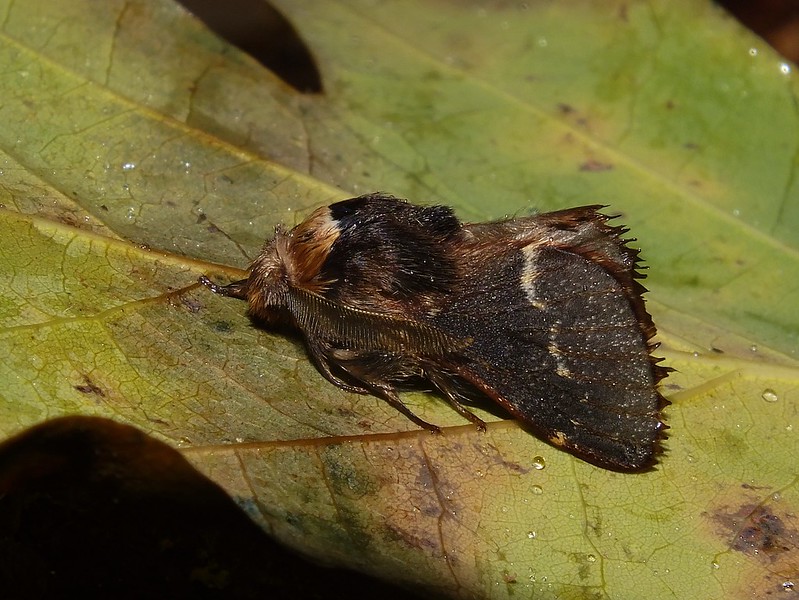
A lista de espécies é a seguinte: 
Agrochola lychnidis (1)
A. blindaensis (6)
Epirrita sp. (4)
Watsonala uncinula (2)
Chesias legatella (1)
Poecilocampa populi (10)
Conistra vaccinii (1)
Pachycnemia tibiaria (1)
Choloclysta siterata (aprox. 8)

Tenho a agradecer ao Pedro Pires e à Tatiana Moreira pela oportunidade em os acompanhar nesta saída que, de resto, se revelou muito prolífica. Sem dúvida que armadilhar nesta altura do ano compensa.

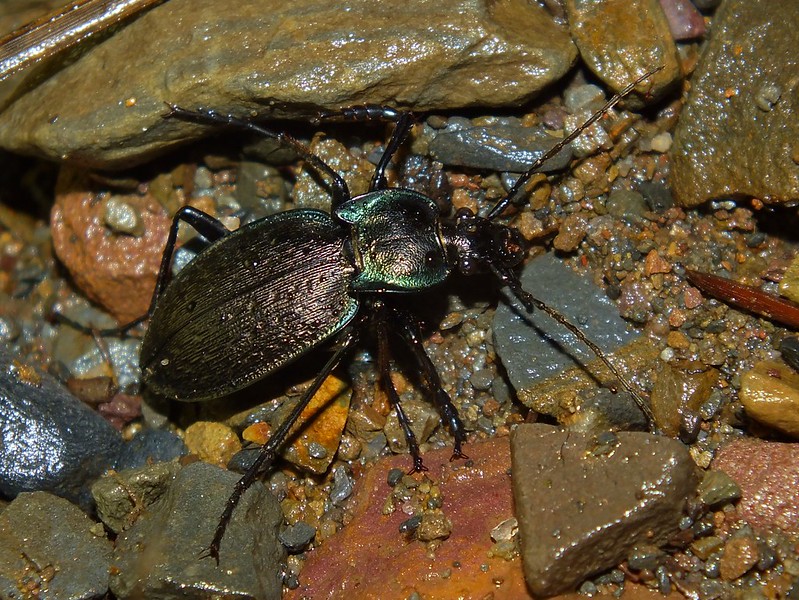
Claro que nem tudo foram lepidópteros: aproveitei para explorar um pouco em redor e encontrei 2 S. salamandra e um Carabus cf. amplipennis, cujo registo aqui fica.


12.07.2013

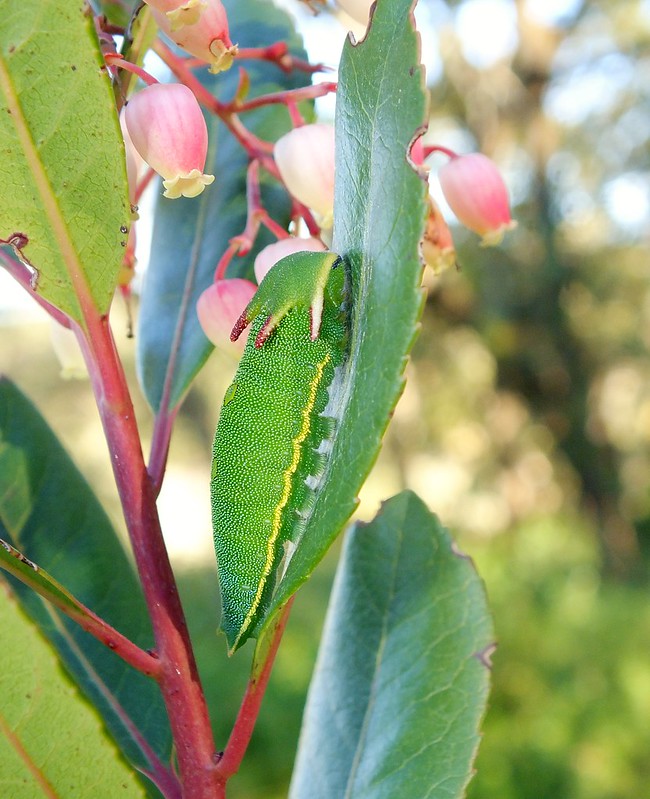
Na continuação do post anterior, aqui ficam mais algumas imagens do mesmo local. Desta vez procurei especialmente por lagartas de Charaxes jasius. Encontrei-as nos medronheiros mais expostos, situados na orla do bosque.


Como que a comprovar, um pouco, a diversidade que os medronheiros atraem:


Um dos muitos Bombus sp. que se alimentavam nas flores de A. unedo.
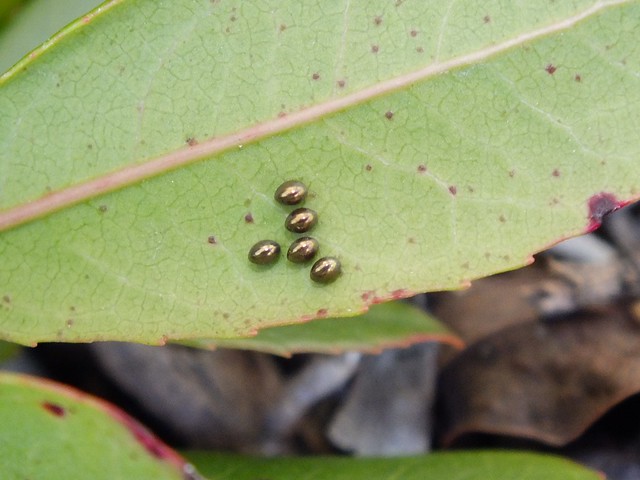
Ovos de, possivelmente, Coreidae. No verso de uma folha de A. unedo

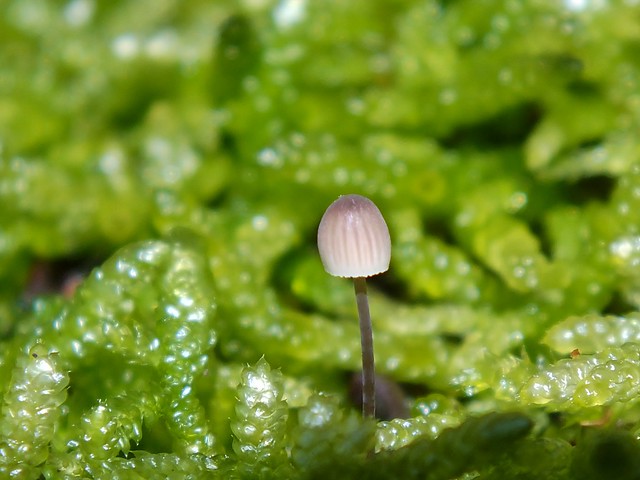
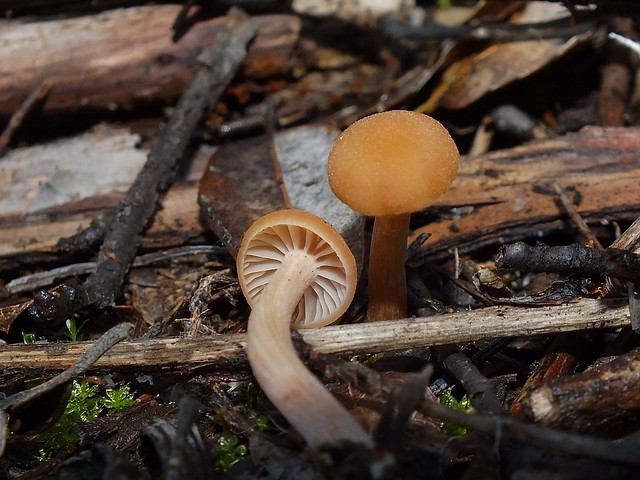
Dois dos macrofungos encontrados no mesmo dia:

Uma pequena Mycena sp.
Laccaria cf. proxima

11.25.2013

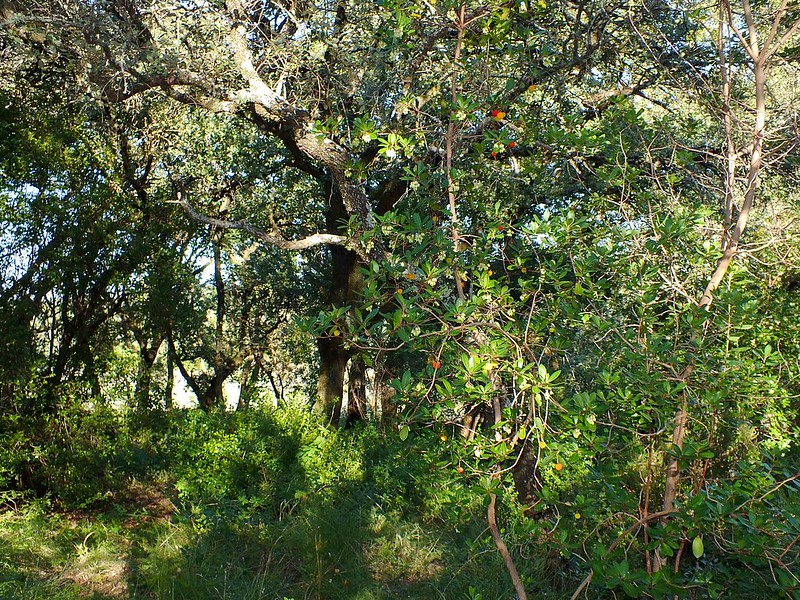
  Perto de casa tenho um pequeno bosque onde dominam Quercus suber e Quercus coccifera, havendo arbustos como Arbutus unedoPistacia lentiscus, Myrtus communis, ... Exceptuando as ainda mais diminutas galerias rípicolas, é um dos únicos locais arborizados e sem impactes visíveis de origem antropogénica da minha zona; é por isso também um dos meus favoritos.

Aspecto geral, é possível ver os frutos de A. unedo.
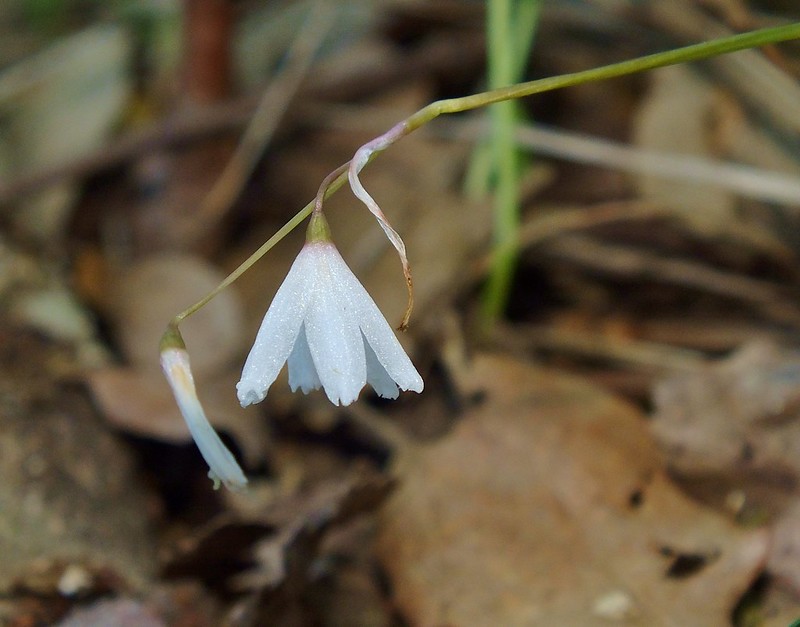
Nesta altura,  surgem as frágeis Acis autumnalis e uma considerável diversidade de macrofungos, como as Russula spp, Boletus spp, Ramaria spp,... que em conjunto com os frutos caídos dos medronheiros pintam o solo de diversas cores.


No último dia, dediquei algum tempo aos macrofungos e, na maior parte, encontrei invertebrados a alimentar-se do carpóforo. Estavam vários diplópodes na base do pé de um Lactarius sp., dezenas de Collembola noutro; Staphylinidae em Russula spp. em decomposição, etc...

Polydesmus sp. a alimentar-se da base do pé de Lactarius sp.


10.24.2013

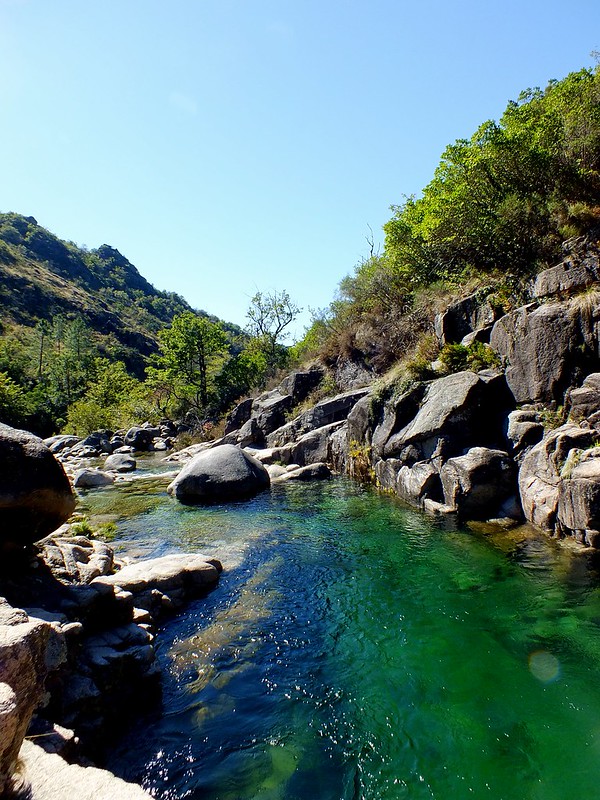
Mata da Albergaria (Peneda-Gerês National Park)

  In the beginning of October we travelled to the Peneda-Gerês National Park for the first time. We visited Mata da Albergaria, known for being an old and well preserved forest.
  When we approached the forest we saw various invasive species (including Robinia pseudoacacia, Ailanthus altissima, Ipomoea acuminata,...) Acacia spp. covered great extensions of the landscape making an almost impenetrable barrier. I felt truly disappointed. I don't know if there are already efforts to contain the invasive species...but it is urgent.

  Everything changed when we reached Mata da Albergaria. I could see what I was looking for: an amazing place with many native species. Finally, the oak trees, mainly Quercus pyrenaica and Q. robur, the beautiful Pinus sylvestris, the Ilex aqualifolium with its red and very abundant fruits...The Hedera species were in bloom and an impressive number of insects (lots of Syrphidae!) were flying around it.
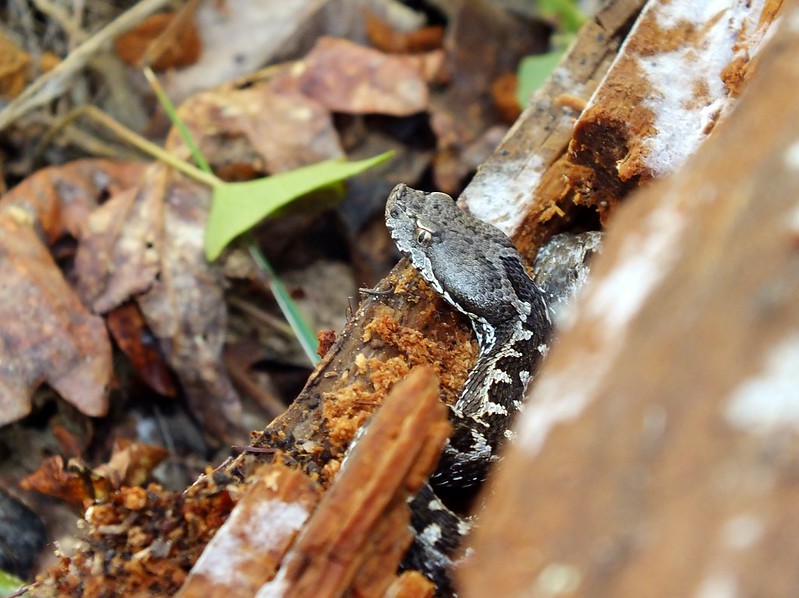
  We could even see Vipera latastei! Unlike Vipera seoanei, that in Portugal has its distribution almost confined to Gerês; Vipera latastei can be found in various regions along the country. Well,  despite that, I never had the opportunity until now.


9.24.2013

Serra da Estrela (Diptera)

Here is three of the most beautiful flies that can be easily seen in Serra da Estrela.

Liancalus virens (Dolichopodidae)

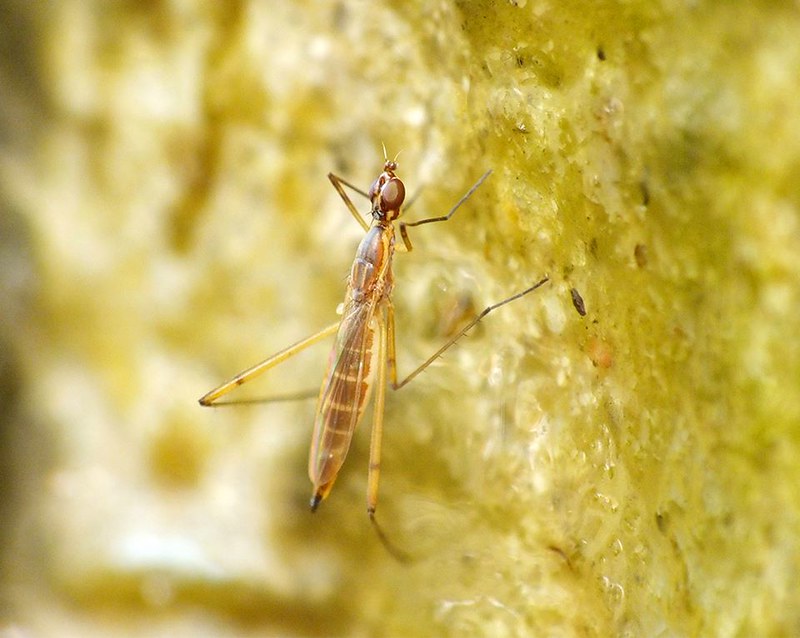
Micropeza cf. lateralis (Micropezidae)

  Clinocera sp. (Empididae) devouring an unidentified larva.

Serra da Estrela

 Last weekend we travelled to Serra da Estrela, the highest mountain range in mainland Portugal. During two days we had the opportunity to visit various places along the mountain and have a better insight of its biodiversity.
The main objective was to collect flies but much more was observed.

  The upper belt has a characteristic set of plant communities and a rich variety of lichens (something like 250 species). Some examples are Lasallia cf. pustulata and Rhizocarpon cf. geographicum.

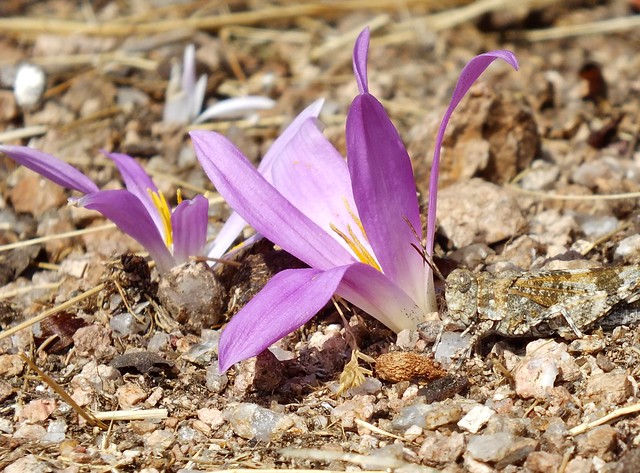
Merendera montana, a very interesting plant that lacks visible foliage during flowering...and if you pay attention there is also one specimen of Oedipoda coerulea next to it. 

9.18.2013

Interactions


Trichodes octopunctatus preying a cuckoo wasp (Chrysididae) while an incautious Oxythyrea funesta passes by. Below all the action, there was a spider, Mangora acalypha, that received small parts of the wasp.  (April, 2013)

9.15.2013


Here's two interesting flies that I found near home. The quality of the pictures is very low since I still don't have the lens needed to get a better magnification...


The first one belongs to the family Acroceridae, known for a very singular reason: its members are parasitoids of...spiders. They are beautiful flies with their hunchback and tiny heads.
Cyrtus gibbus was the first Acroceridae that I ever found and this year, for the first time, I found Acrocera orbiculus. All the specimens were resting under the leafs of Quercus faginea and seemed to be common.
In the same spot (but resting on Osyris alba) I also saw one specimen of Ogcodes zonatus. Unfortunately, I couldn't take a picture or collect it at the time.


Usually, Medetera spp. are found on trees, rocks, walls... but this one (as others already recorded) were on the ground, preying Collembola.

8.14.2013

Ochthera cf. manicata

 The flies belonging to the genus Ochthera (Ephydridae) have very distinctive forelegs that resemble the ones of the mantises. They are generalist predators and can be found in wetlands; the one from the picture was found in  Salreu (wetland near Aveiro) and seems to be O. manicata.


7.20.2013

Cicindela sp.

  The larvae of Cicindela spp. are carnivorous. They construct funnel-shaped burrows and wait for preys with their head and pronotum visible, closing the entrance. This one in particular was found in Salreu, Aveiro, and started a very prolific day.
  The picture itself is one of the first tries with a new camera (Fujifilm HS30) and lens borrowed from a friend. I hope to finally be able to take pictures to small flies, like Hybotidae and Dolichopodidae, in the near future :-)